Who is a natural born Citizen
A birthright from citizen parents, completed on their own land. A grant by place is not that birthright, and it is not those three words.
In memory of Mario Apuzzo — counsel, friend, the man who lived the distinction
Mountain P. Goat — this is the apex of the talks we used to have, written for a new generation who will soon ponder the same questions we, "Birthers,” tried to articulate to a nation that forgot its heritage. Mario sat in those rooms with us. He came to the United States as a boy, took the oath, and was proud that his son was born already holding the share, because the children came after the father was an owner. That is the whole distinction, lived instead of argued. Said in new words so the echoes from those rooms are not lost.
“Teo” T Bear
The gate
A natural born Citizen is a child born already holding a share in America. The share was given by citizen parents. It was not granted later by the government.
Where was the child born? On the land of the United States, or under another flag?
Were the parents already citizens? At the moment of the birth — not later, and not by the child’s soil.
Both answers must be yes. That is the only distinction this page draws. Not a higher kind of person. A gate on one office. Were you born owning the share your citizen parents already held? If you were, you may stand at that gate. If the share came later, by oath or by a statute or by an amendment, you may be a citizen. You were not born holding this office.
We the People
We the People of the United States do ordain and establish this Constitution. The People are already in the first line. The government is what they ordain. It does not pre-exist them, and it does not own them. True ownership has always been in the citizens. They were before the government.
A status the government later confers is a grant from the thing the People made. A status that passes from citizen to child was already in the People before that government existed.
Born holding the share
The Constitution does not say that every person delivered on American dirt is a co-owner. It says that no person except a natural born Citizen shall be eligible to the office of President. Those three words name an inherited share of a free and sovereign people. They do not drop a title in a crib.
A subject is defined by what he owes. Born inside the allegiance, so he is bound. A citizen is defined by what he holds. One of the owners. The parent who holds a share transmits it. The child does not apply. He is born already in.
That transmission is the only gate. Naturalization remains open. Come, take the oath, own a piece. The books of ordinary law do not weigh the birth after that. Testimony is not weaker. Land is not lesser. Congress is open after the years the text requires. The welcome is real. What the clause will not do is put a man on the starting line for command of the common estate whose own birth did not already carry the share.
Compare a citizen to that gate, and then stop. A citizen is a member the law has recognized. A natural born Citizen is the member who was born a member, of members, here. The rest of this page is that one sentence, and then the attempts to move it.
The sovereign is the People
In a monarchy the sovereign is one person. Everyone else is a subject. In the American design the sovereign is the People, and each citizen is a co-owner of that sovereignty. The share is equal. The government is not a second crown. It is the hired agent of the joint estate.
Each owes, and each receives. The citizen owes allegiance, taxes, jury service, and obedience to lawful process. The citizen receives protection, due process, the equal standing of his oath and his testimony, and a voice in how the common thing is run. Once the share is held, the books balance the same for the natural born and the naturalized. The presidency is not a higher grade of citizenship. It is one office of the common estate, reserved to the child who was born already holding the share.
This is not the thing that borrowed the name “sovereign citizen.” That name often means a man unbound: no statute, no court, no tax, no oath that reaches him. The opposite is meant here. The citizen is sovereign because he is one of the owners, and owners are bound by the rules of the estate. The naturalized man who took the oath holds the same share. He is not a guest. He is not above the law. He is in it. People with money and office have reason to dislike that equality. They have no reason to confuse it with a man who says the law does not apply to him.
A subject petitions a crown. A citizen is already an owner of the thing being commanded. The People are not bystanders. They are the estate.
Two kinds of words
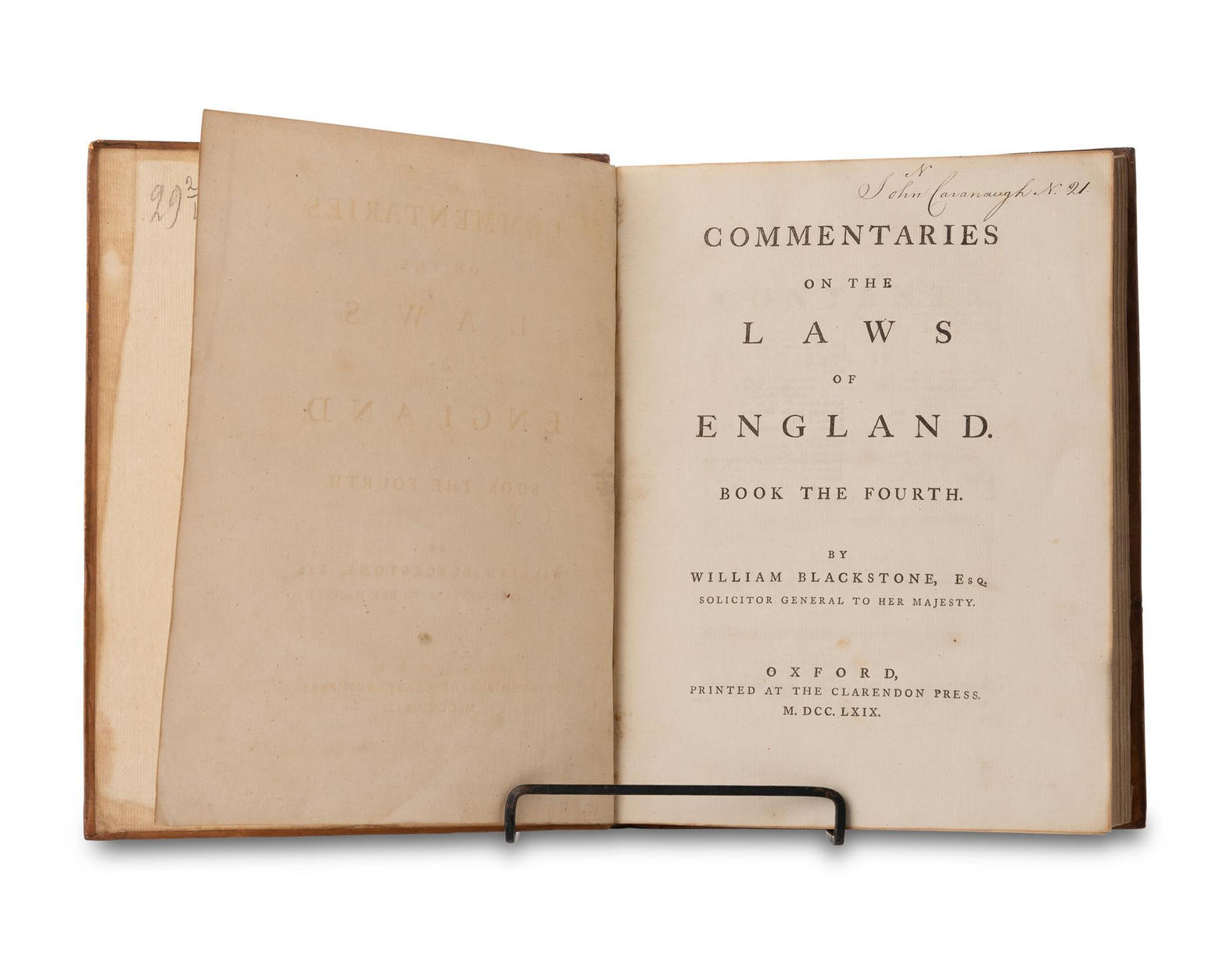
No person except a natural born Citizen shall be eligible to the office of President. There are two kinds of adjective in front of a noun, and they are easy to confuse.
A compound is two words fused into one modifier. The mark of that fusion, when a printer supplies it, is the hyphen: natural-born subject. That is Blackstone’s one idea, born in the realm. In England the child of aliens was included.
A cumulative pair is not fused. The word nearest the noun binds to the noun. The outer word modifies that whole unit. You cannot reverse the words, and you cannot put and between them. Natural is the outer word. Born is the inner word. Citizen is the noun. Resolve born Citizen first. That is a citizen by birth, the inheritance from a parent who was already a Citizen. Natural then names that inheritance. Because the birth is on the parents’ own land, no other power can claim the child’s allegiance.
A space in 1787 does not, by itself, tell the two kinds apart. British statutes wrote “natural born subject” with a space and still meant the compound. The hyphen is only the later printer’s way of showing a fusion. The space refuses the weld. It does not prove the kind. What keeps the Constitution’s words from being that British compound is the noun they chose, Citizen, and the order they left: born locked to Citizen, natural modifying that unit.
Read as the compound, the phrase means only born in the territory. Read as the cumulative pair, it means the birthright, on the parents’ own land. Men have put the hyphen back and heard only the soil. They confused one kind of adjective with the other. They did not amend Article II.
The birthright is the parents
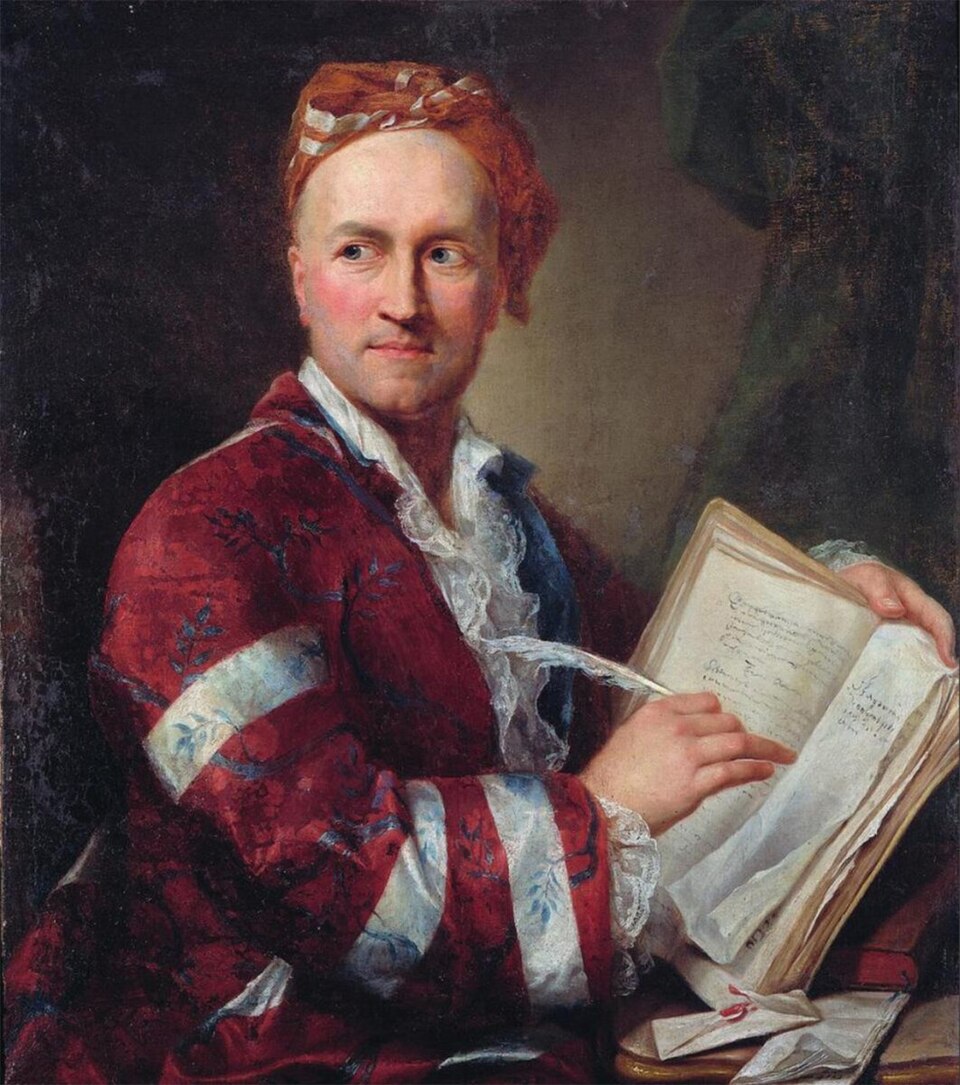
A birthright is the child’s right in the house he is born into. It runs from the people who already hold it to the child born of them. Your citizenship, if it is a birthright, is the citizenship of parents who were citizens when you were born. The law of nations already said so, and it did not use the three words.
Vattel’s French calls them the naturels, or the indigènes: those born in the country, of parents who are citizens. The society perpetuates itself by the children of the citizens. If a person is born there of a foreigner, it will be only the place of his birth, and not his country. England, he noted, was the exception, where birth alone naturalized the foreigner’s child.
The first English edition, London, 1759 and 1760, did not put a British name on that class. It said the natives, or indigenes. The Constitution was written after that book, and not out of it. In 1797 a later translator, fitting the sentence to the English he already knew, rendered indigènes as natural-born citizens, and he hyphenated it. He laid Blackstone’s compound over a word that meant the naturals. That hyphen is his. It is not Vattel’s, and it is not Article II.
The first generation had no such birth to point to, because the country did not yet exist. The grandfather clause in Article II is the receipt. A Citizen at the time of the Adoption may be President though he was not born a citizen of a nation that had not been born. After that, the share moves from citizen parents to the child.
What men now call birthright citizenship is a different thing wearing an old name. They mean birth on the land. Place can be the occasion of a grant. A grant is not a birthright. The giver of a birthright is the family already inside the people. The giver of a grant is the law that had to be written. England called the king’s claim a birthright. The king inherited the child. That is not the child inheriting a share.
Look at how a child is named. The name is a birthright. He is named after his father, not after the country where the birth happened to occur. Born in France to an English father, he does not become Pierre because the room was in Paris. The place may be written on the record of the birth. It does not give him his name. Citizenship, when it is a birthright, works the same way. It comes down from the parents who already hold it. The country of the birth does not rename him.
Born of a Citizen under another flag, the citizenship still passes by inheritance, but that other country can claim his allegiance from the soil, and the birth is divided. He may be a citizen. He was not born holding an undivided share. Born on this soil of parents who are not citizens, nothing of this share was inherited. A law may later grant a citizenship because of the place. The grant is not the gate.
Slavery in the room
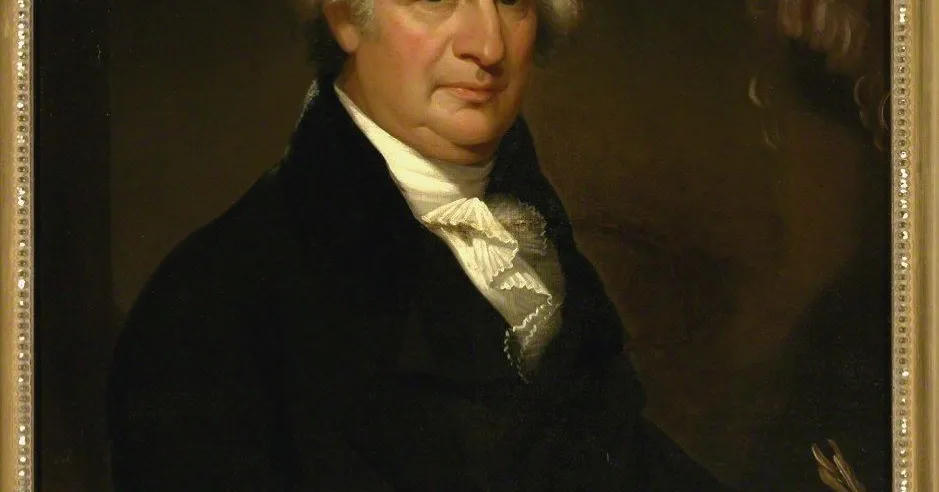
Gouverneur Morris asked that at the Convention. There is no recorded speech that says they chose the three words in order to keep slaves out of citizenship. The presidential clause arrived late and passed without debate. What the words still do, once Citizen means a share and natural means an inherited share, is refuse to treat birth on the plantation as birth into ownership. Colonial law already ran on inheritance. The child’s status followed the mother. If citizenship could be reproduced only by citizens, the same logic that made the child a slave kept the child from being a natural born Citizen.
Dred Scott made that structure infamous. In 1857 the Court said a man born on American land could still be no Citizen of the United States. Property, not a member. The holding was wicked because it quantified a human being as stock. Law sorts. Slave, person, citizen, alien. It does not make a soul. A human being is a human being. The Thirteenth Amendment killed the property claim. The Fourteenth put a later grant of membership in writing. That grant is a challenge to the gate, and it is answered below. Article II was never that grant. It was already on the page as a gate on one office. Scott does not make the gate holy. It does prove that “born on the dirt” was never, in that century, the same sentence as Citizen.
Jay and the sword
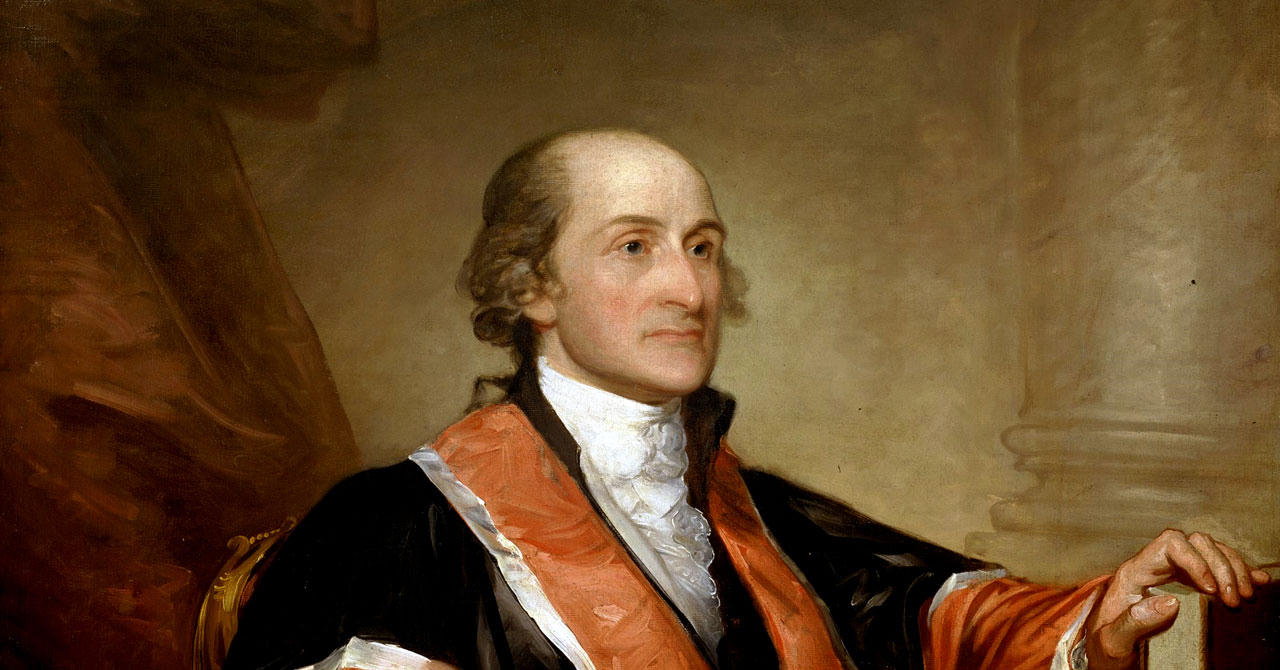
Jay wrote Washington that it would be wise to check the admission of foreigners into the administration of the national government, and to declare expressly that the command in chief of the American army shall not be given to, nor devolve on, any but a natural born Citizen. He was worried about the sword. A commander who is only soil still has a foreign house behind him. A commander who is only blood was born under another flag.
The strict reading is both. Born in the United States, of parents who were American citizens at the time of the birth. Then soil and blood point at the same nation. The child’s natural allegiance is not split. The older sense of traitor — a man who betrays his own people — matters most in the single voice that commands. Only the person whose first and only people was this one had no other house to go home to.
The birthright and the land are not rivals inside the three words. The birthright is being born to citizen parents. The natural born Citizen is that birthright completed here. Blood alone, across the water, is not yet the office. The First Congress said children of citizens born beyond sea shall be considered as natural born Citizens. Considered as is grant-language. In 1795 Congress repealed that statute and called the same children only citizens. It kept the inheritance of citizenship. It took back the title that belongs to the gate.
What they challenge us with
The point is made. A natural born Citizen was born holding the share, from citizen parents, on their own land. What follows is not a second definition. It is the challenge. Men reach for English common law and say soil is enough. Men point at the Fourteenth Amendment and say a later grant of citizenship rewrote the gate. Some who are citizens want the gate to be the same as membership. We will speak of citizens only to set them beside the gate. The gate does not move because a later law made more of them.
English common law was not the code
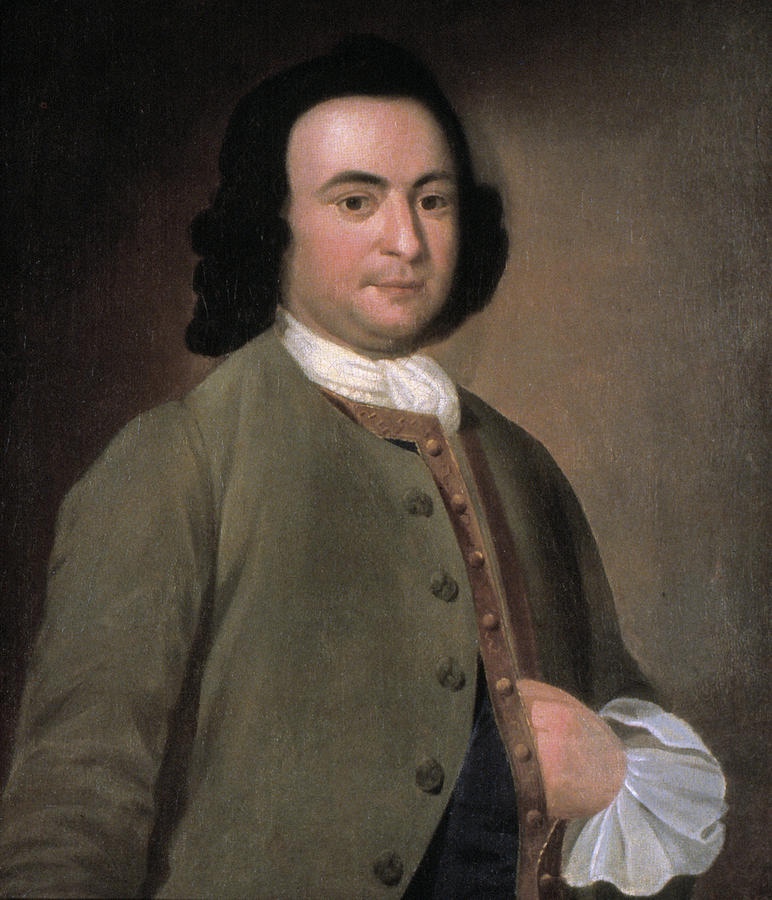
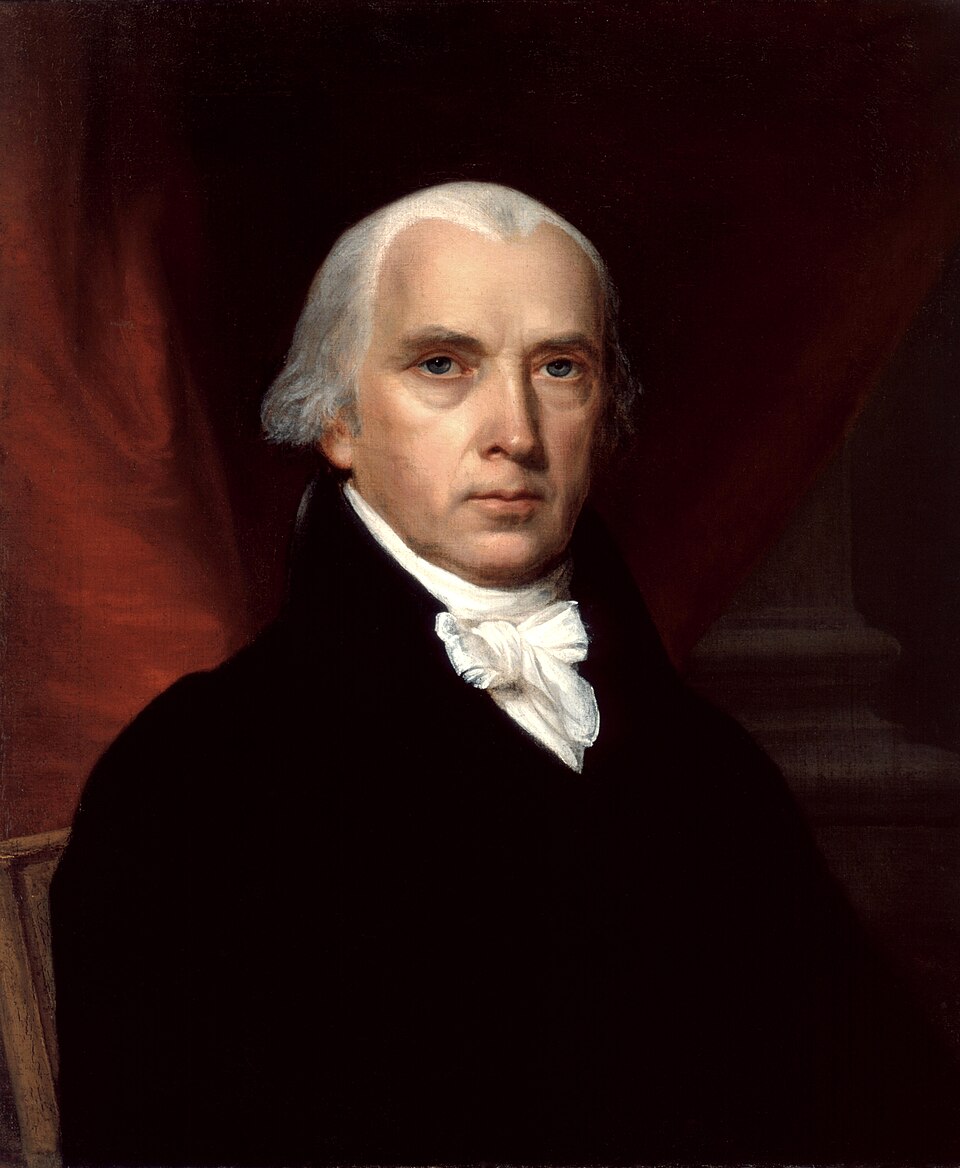

The colonies had English common law. They did not have one common law, and the United States did not adopt it as a national code. Mason told Virginia that the common law of England is not the common law of these states. Madison told Washington that to declare it in force would break every state’s code and import the ecclesiastical hierarchy, for that is part of the common law. Wilson, in Ware v. Hylton, said what independence bound them to receive: the law of nations, in its modern state of purity and refinement. Not the king’s courts.
So the challenge fails at the door. There is no English common law of the United States for these three words to be read by. A thing that must be put back was not in the house. After the Civil War the book returns as a way of reading, not as a statute. Matthews, in a case about a locomotive engineer, invites the courts to read the Constitution in the light of the English common law. Gray later uses that light on the word citizen. Neither invitation amends the gate. The attempt to put the book back is itself the proof it was never the foundation.
A picture, not a plot
Most of them are not trying to amend anything. A reader carries a picture, and then he chooses the wording that fits the picture. It happens with Scripture. One translation says a thing a little differently from another, and a man quotes the one that matches what he already believes the verse ought to mean. He is not usually forging. He is fitting.
Turned on the gate, that habit is a poor man’s amendment. No convention. No vote of the states. Only a definition reinvented so the words will sit inside the picture. Here the picture is a child in a crib on American dirt, and the picture is called a birthright, and the birthright is called the three words. An unintentional misreading, repeated until it feels like the text, moves the gate just the same. The space is still on the page. The picture does not get to punctuate it.
The Fourteenth does not move the gate
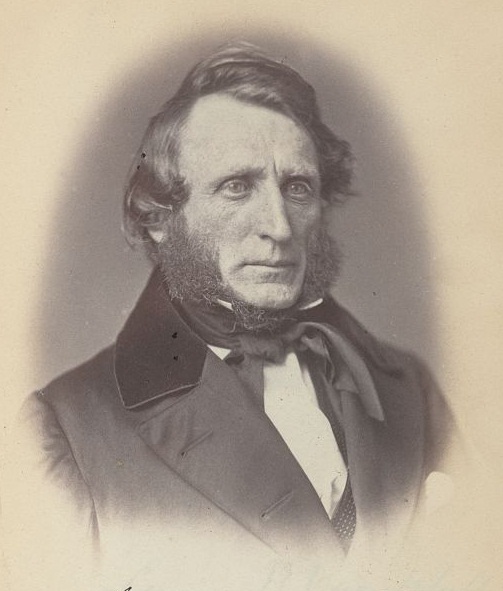
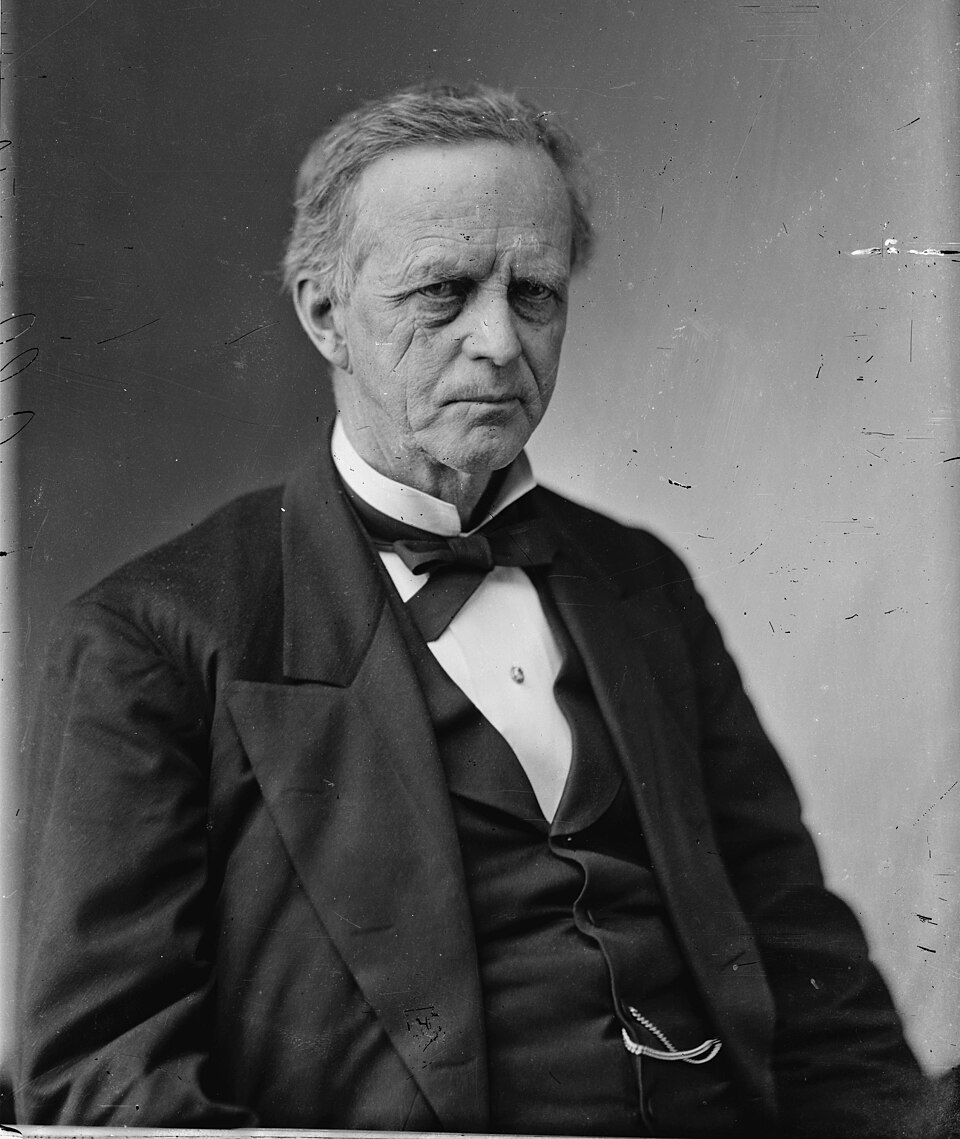
We are not deciding who is a citizen. We set the citizen next to the gate, and only there. The question is whether a grant of citizenship, triggered by the place of birth, is a natural born Citizen. It is not. It does not make the child born holding the share.
All persons born or naturalized in the United States, and subject to the jurisdiction thereof, are citizens of the United States and of the State wherein they reside.
Born, or naturalized. One noun. The amendment knew the three words. They were already in Article II, and Congress had used them in 1790 and withdrawn them in 1795. It did not use them again. Whatever persons that sentence makes citizens, it makes them citizens by a constitutional grant. Birth is the occasion. The giver is the amendment. A birthright does not need an amendment to pass from citizen parents to their child.
A change in one clause does not, by itself, make the same change in another. The amendment reached general citizenship. It did not reach Article II. If the new citizens were meant to be natural born Citizens, Article II would have had to be changed, or the amendment would have had to carry the meaning Congress understood it to carry. Congress understood the three words as already in the Constitution, and as a different thing from the word it was writing. It left the presidential sentence as it stood.
John Bingham, while that citizenship was being written, still described the old class in the old way. Every human being born within the jurisdiction of parents not owing allegiance to any foreign sovereignty is, he said, in the language of the Constitution itself, a natural born citizen. He said parents not owing a foreign allegiance. He did not say the soil was enough. Two conditions, not one. The amendment he helped finish still said are citizens.
Waite
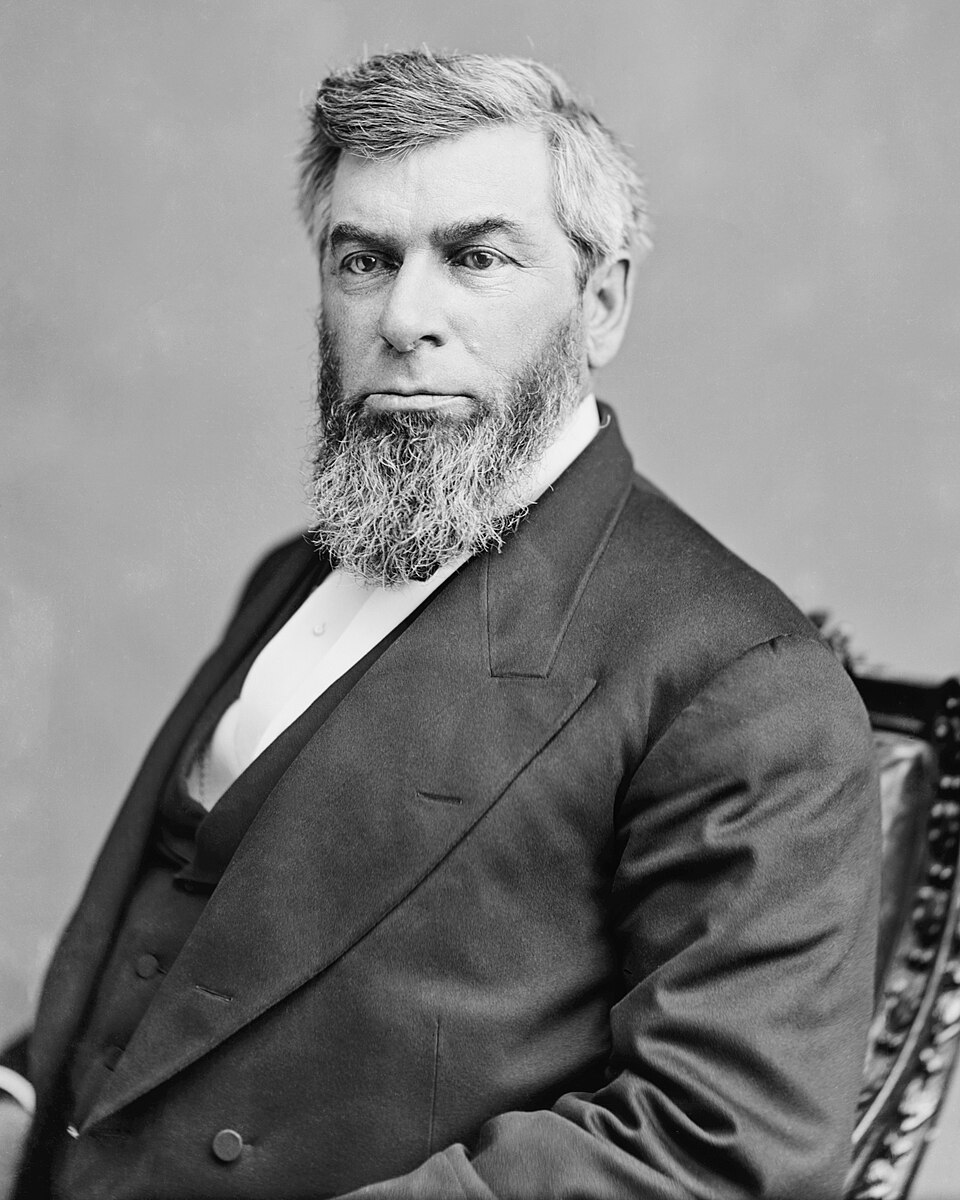
Chief Justice Waite saw that the Fourteenth Amendment would cover Virginia Minor, and he would not rest her citizenship on it. The printed opinion puts a hyphen in natural-born, and it puts that hyphen even into its quotation of Article II, which has none. It also hyphenates common-law in the same passage. A hyphen is how a printer in 1875 set what he took to be a compound. The phrase is not a compound. It is a cumulative pair, and a space in that century did not by itself prove which kind. The printer’s mark did not amend the parchment.
At common-law, with the nomenclature of which the framers of the Constitution were familiar, it was never doubted that all children born in a country of parents who were its citizens became themselves, upon their birth, citizens also. These were natives, or natural-born citizens, as distinguished from aliens or foreigners. Some authorities go further and include as citizens children born within the jurisdiction without reference to the citizenship of their parents. As to this class there have been doubts, but never as to the first.
The line he drew does not depend on the spelling. Citizen parents: never a doubt. Soil without the parents: there had been doubts. He did not resolve the doubt. He did not need the grant. She was born of citizen parents.
Gray
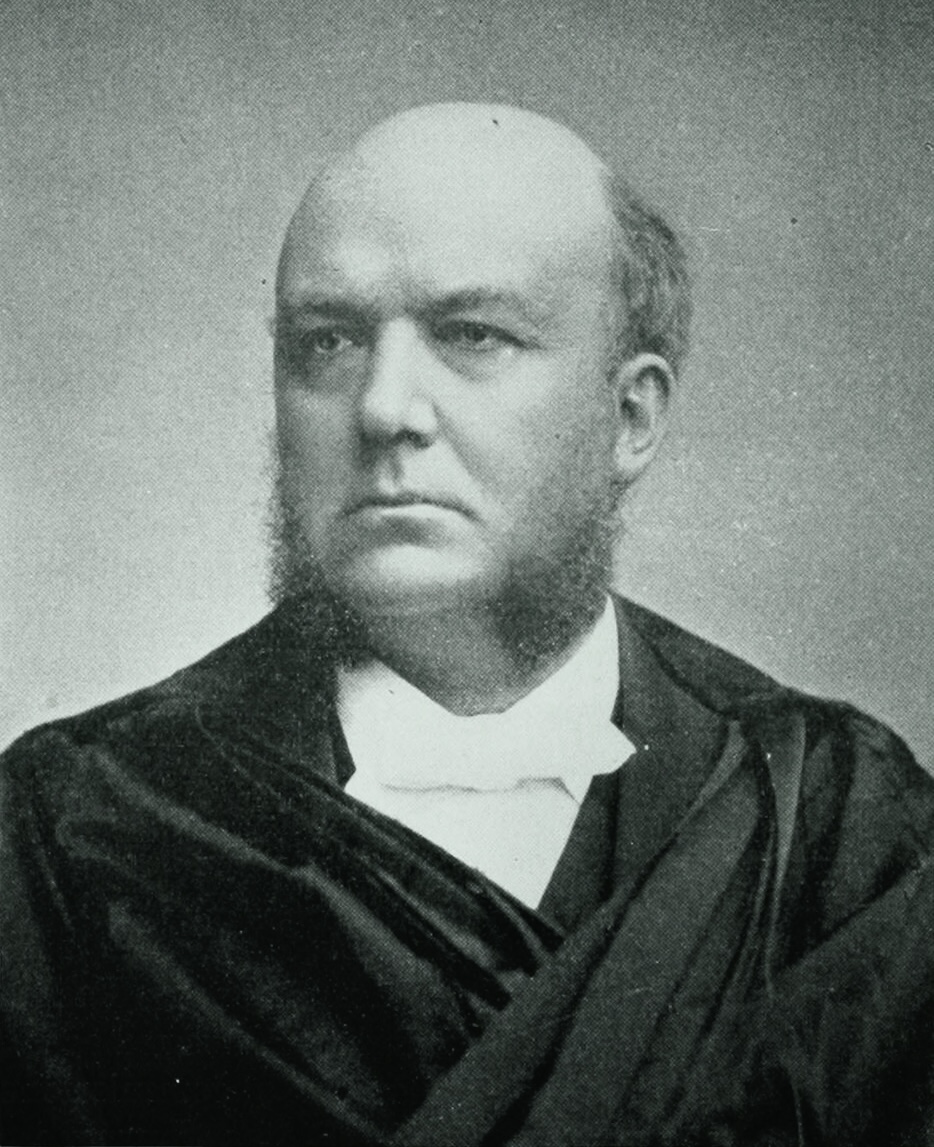
Justice Gray decided a citizenship case. The word in his question was citizen. The judgment did not make that man a natural born Citizen, and it did not open the office. An opinion talks past its judgment. The extra talk is dicta. Gray set in Horace Binney’s sentence that the child of an alien, if born in the country, is as much a citizen as the natural-born child of a citizen. As much a citizen as. Not is a natural born Citizen. The slide from one to the other is the reader’s. It is not the decree.
If later readers pour Gray’s soil rule backward into Article II, they are no longer reading Wong Kim Ark. They are importing the English subject under a friendlier name. The amendment gave them the word citizens, in a grant. It did not give them natural, and it did not give them Article II. The attempt to put the English book back is itself the proof it was not the foundation. You do not restore a house that was already standing.
The gate holds
Once a person is a citizen, the ordinary law does not weigh his birth. His testimony is not weaker. He may sit in Congress after the years the text requires. The Speaker may be naturalized. So may a Justice, including the Chief Justice. Each of those is a voice among many. That is the comparison, and it is the end of it.
The President is a single voice, in peace and in war, and he commands the army Jay named. That is the only gate. The child born already holding the share, from citizen parents, on their own land, is who may stand there. A naturalized citizen holds an equal share of the ordinary estate. He does not hold this office. A citizen by the Fourteenth Amendment’s grant of place does not hold it either, unless, apart from that grant, he was born here to parents who were already citizens. The grant did not become his birthright by being triggered on the day he was born.
The challenges have been heard. English common law was not the code. The Fourteenth Amendment made citizens and did not touch the gate. Waite would not rest the old class on that amendment. Gray’s decree was the word citizen. None of them was born holding a different share. The map does not get to wear the family’s name.